When Is It Time to Move Beyond Etsy and Build Your Own Website?
Etsy can be a brilliant place to start selling online. It gives small businesses access to an established marketplace, makes it relatively easy to get products in front of customers and removes a lot of the technical work involved in setting up an online shop.
But as your business grows, you might start to wonder whether Etsy should still be the only place your business lives online.
Maybe you want more control over how your brand looks and feels. Maybe you're thinking about building stronger relationships with your customers, expanding what you sell or simply creating an online space that feels entirely your own.
Moving beyond Etsy doesn't necessarily mean leaving Etsy behind. For many businesses, the next step is about adding your own website alongside Etsy and deciding what role each platform should play as your business grows.
The Signs You’ve Outgrown Etsy as Your Only Sales Channel
Outgrowing Etsy doesn’t necessarily mean your shop has stopped working. In fact, it can mean the opposite. You may have built a steady customer base, developed a recognisable brand or reached a point where you want more control over how your business grows.
Some signs that it might be time to consider your own website include:
Your brand has grown beyond your Etsy shop. You’ve developed your own visual identity, packaging, photography and voice, but Etsy gives you limited control over how customers experience them online.
You want a direct relationship with your customers. Building your own audience gives you more opportunities to encourage repeat business and communicate with customers beyond the marketplace.
You’re relying heavily on one platform. Changes to Etsy’s fees, policies, search visibility or marketplace can affect your business in ways you can’t control.
Your product range or business model is becoming more complex. You may want greater flexibility around collections, product information, content, promotions or how customers shop.
Customers are starting to search for your brand directly. If people know your business by name, having your own online home makes it easier for them to find and recognise you.
You want more insight into your website visitors. Your own website can give you greater visibility into how people discover your business and interact with your products and content.
You don't need to tick every box. Even one or two can be a sign that it's worth thinking about what the next stage of your online presence could look like.
Your Own Website Doesn’t Mean Leaving Etsy
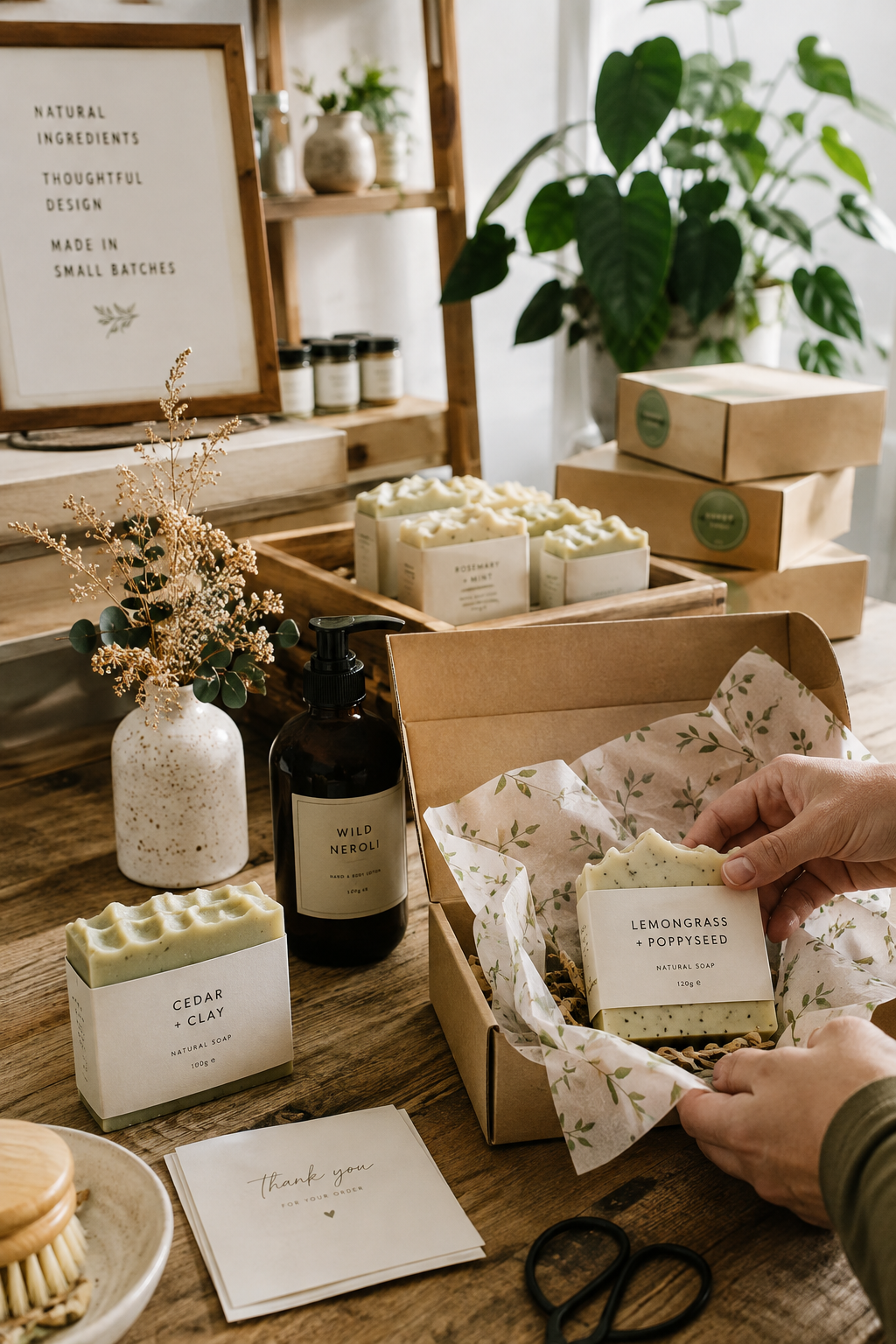
Creating your own website doesn’t mean you need to close your Etsy shop.
Etsy can continue to be a valuable way for new customers to discover your products, particularly if you’ve already built reviews, sales history and visibility on the platform. Your website can serve a different purpose: becoming the online home of your brand.
Instead of choosing one or the other, you can use both strategically. Etsy can help with marketplace discovery, while your website gives you more control over your brand, content and customer experience.
It also gives you somewhere to direct people who discover your business elsewhere — through Instagram, Threads, markets, recommendations, Google or even your product packaging — rather than sending every customer back through a marketplace.
Over time, the balance between the two may change. Some businesses continue using Etsy alongside their website for years, while others gradually find that their own store becomes their main sales channel.
The right approach depends on how your customers find you, how your business operates and where you want it to go next.
What Changes When You Have Your Own Website?
Having your own website gives you something a marketplace can’t fully offer: control over the entire customer experience.
Instead of fitting your business into a marketplace template, you can decide how customers discover your products, learn about your brand and move through the customer journey.
That might mean:
More control over your brand — from your colours and typography to photography, layout and the way you tell your story.
A customer journey designed around your business — rather than every shop following essentially the same marketplace structure.
More space for content — including detailed product information, FAQs, guides, blog posts and information about how your products are made.
Better opportunities to build an audience — through email sign-ups, content and repeat-customer marketing.
More useful data about your visitors — helping you understand where customers come from, what they're interested in and how they interact with your website.
More flexibility as the business grows — whether that's adding new product types, wholesale enquiries, events, subscriptions, bookings or other functionality later.
Your website also becomes a permanent home for your business online — somewhere you control and can continue developing as the business changes.
But What About Etsy’s Built-In Audience?
One of Etsy’s biggest advantages is that people already visit the platform looking for products to buy. When you launch your own website, that built-in marketplace traffic doesn’t automatically come with you.
That’s an important distinction. Having your own website doesn’t automatically mean people will find it. You still need ways to bring potential customers there, whether that’s through search engines, social media, email marketing, markets and events, existing customers or word of mouth.
This is also why keeping Etsy alongside your own website can make sense. Etsy can continue to introduce your products to people who may never have heard of your business, while your website gives customers who already know or discover your brand somewhere to explore it more fully.
As your own audience grows, you may find that more customers begin coming directly to your website rather than discovering you through Etsy. But that can happen gradually — there’s no need to switch one off the day the other goes live.
Shopify, Squarespace or WooCommerce: Which Is Right for You?

Once you decide to build your own online shop, the next question is usually what to build it on.
There isn’t one platform that’s right for every Etsy seller. The best choice depends on the size of your product range, how you sell, the features you need and how you expect the business to grow.
Shopify is often a strong choice when eCommerce is at the heart of the business. It’s built specifically for selling online and offers a large ecosystem of apps and integrations as your store becomes more complex.
Squarespace can work particularly well for smaller or more streamlined product businesses where strong visuals, brand storytelling and content are just as important as the shop itself. It combines website content and eCommerce within one relatively straightforward platform.
WordPress with WooCommerce offers a high level of flexibility and control. It can be a good fit for businesses that need more custom functionality, content, integrations or room to build something more complex over time.
You don't need to choose based on which platform is the most popular. You need the one that makes sense for your business now, without unnecessarily limiting where it can go next.
Not sure which platform fits your business?
Take a look at my Platform Guide for a closer comparison of Shopify, Squarespace and WordPress.
Do You Need to Move Everything at Once?
No. Building your own website doesn’t have to mean moving your entire business away from Etsy overnight.
You can start with your core or best-selling products, build the website around the parts of your business that matter most, and continue running your Etsy shop alongside it. This gives you time to learn how customers use your new site without disrupting a sales channel that is already working for you.
It can also make the practical side of the transition much more manageable. Product descriptions, photography, pricing, delivery information and policies can all be reviewed as you go rather than treating the launch as one enormous migration project.
The important thing is to think about how the two channels will work together. You’ll need a clear approach to things like stock management, fulfilment, pricing and customer communication, particularly if the same products are available in more than one place.
Your website can then grow with the business. You might launch with a relatively simple online shop and later add new collections, content, email marketing, wholesale enquiries or other features as you actually need them.
There’s no prize for moving everything at once. A considered transition that works for you and your customers is far more useful than rushing to recreate your entire Etsy shop somewhere else.
So, Is It Time to Build Your Own Website?
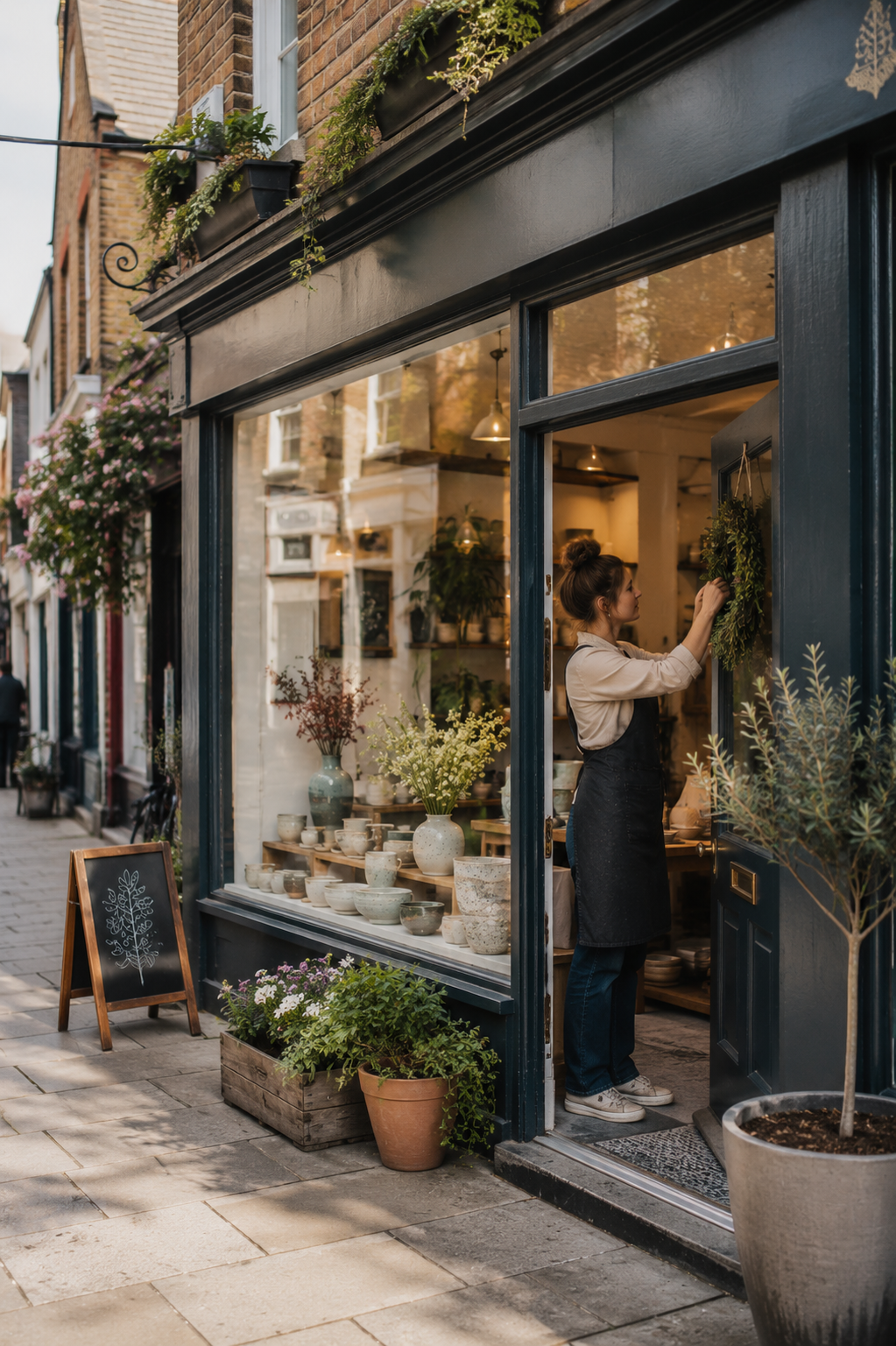
There isn’t a particular number of Etsy sales, products or years in business that tells you when it’s time to build your own website.
A better question is whether your current setup still supports the business you’re trying to build.
If Etsy is working well for you and gives you everything you need, there may be no urgency to change anything. But if you’re finding yourself wanting more control over your brand, customer experience, content or how your business can grow, your own website may be a natural next step.
And it doesn’t have to be an either/or decision. Your Etsy shop can continue doing what it does well while your website gives your business an online home that you control.
The goal isn’t to move away from Etsy simply because your business has reached a certain stage. It’s to build an online setup that makes sense for where your business is now and where you want it to go next.
Ready to Build the Next Stage of Your Business?
If you’re thinking about creating your own website alongside Etsy but aren’t sure what you need or which platform makes the most sense, I can help you work through it.
At Untypical, I look at more than how a website will look. We’ll consider your products, customers, how you currently sell and what you want the business to be able to do next — then build around that.
Whether that means Shopify, Squarespace or WordPress with WooCommerce, the aim is to create a website that feels like your brand and works for the way your business actually operates.
Thinking about taking your business beyond Etsy? Let’s chat.
Still comparing your options? Explore the Platform Guide.